
What Makes an Electric Ride Beginner-Friendly?

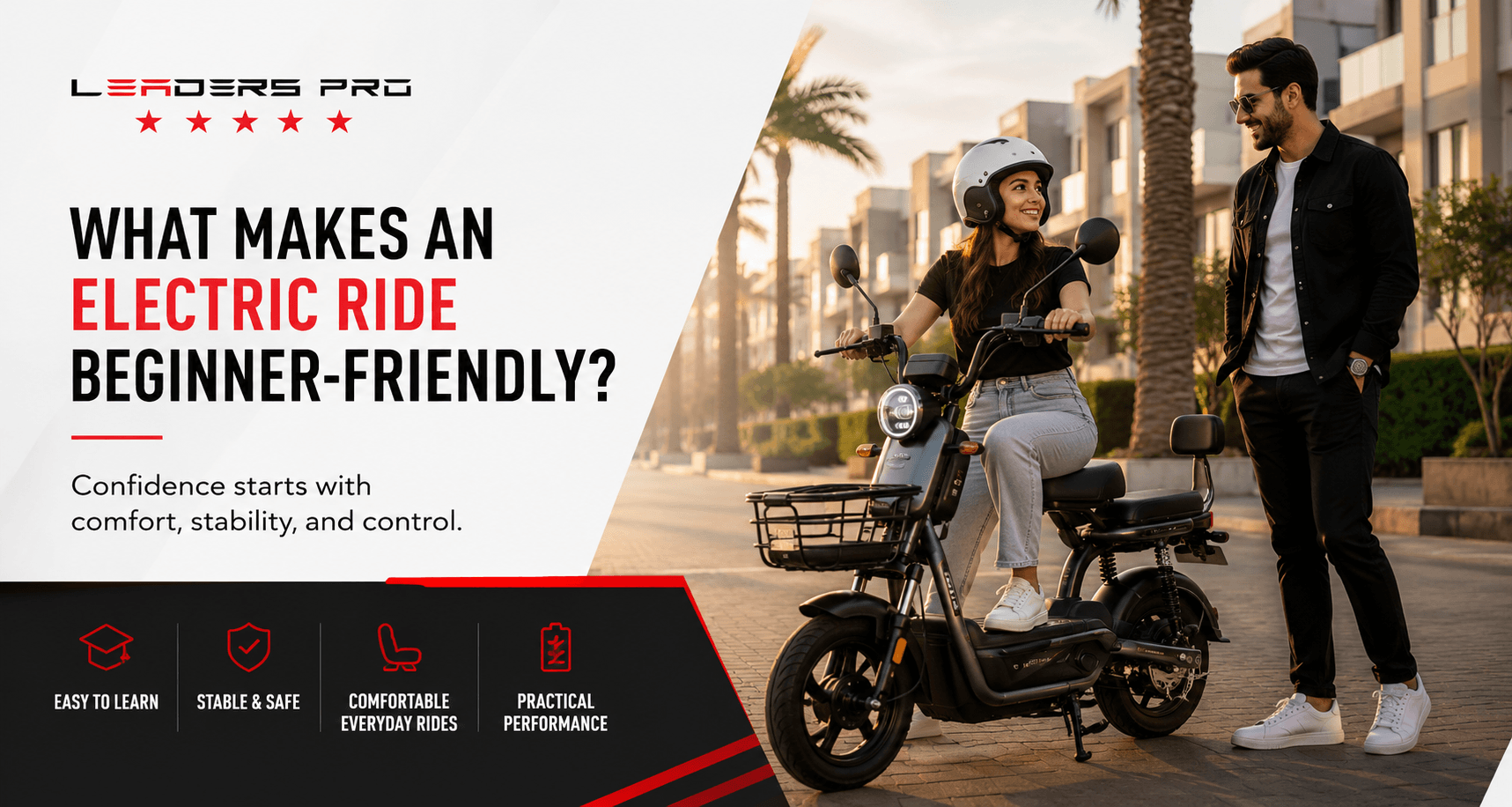
A beginner-friendly ride should feel approachable, stable, and easy to enjoy — not intimidating.
When people first begin looking at electric rides, performance is usually the first thing that gets attention.
Speed sounds exciting. Power sounds impressive. Range feels important. A bigger number can easily make one model seem better than another, especially when comparing products online.
But for first-time riders, the best electric ride is not always the fastest one, the strongest one, or the one with the biggest headline specs.
A beginner-friendly ride should feel approachable. It should give the rider confidence from the beginning. It should feel stable enough to relax, smooth enough to enjoy, and simple enough that the rider can focus on the experience rather than feeling tense or overwhelmed.
This matters especially for families, younger riders, casual users, and people who are new to electric mobility. The first few rides often shape how someone feels about electric scooters and recreational rides long-term. If the ride feels intimidating, unstable, or difficult to control, the rider may lose interest quickly. But if it feels natural and enjoyable, confidence grows with every ride.
That is what beginner-friendly design is really about.
Beginner-Friendly Does Not Mean Boring
There is sometimes a misunderstanding that beginner-friendly means basic, slow, or unexciting.
That is not necessarily true.
A beginner-friendly electric ride can still be enjoyable, responsive, and fun. The difference is that it should deliver that experience in a way that feels controlled rather than overwhelming.
For new riders, confidence often matters more than intensity. A ride that accelerates smoothly, turns predictably, and feels stable under the rider can still be exciting without feeling difficult to manage.
This is especially important for recreational riding. Whether someone is using a scooter for casual evening movement, short-distance transportation, or family outdoor fun, the ride should invite the rider in. It should not feel like something they need to “fight” or constantly control.
The best beginner-friendly rides make the experience feel easy to start and enjoyable to repeat.
Confidence Comes Before Performance
For experienced riders, performance may be part of the appeal. They may already understand how different ride styles feel, how to handle acceleration, and how to adjust to different road surfaces.
Beginners are different.
A new rider is still learning balance, steering, braking, posture, and awareness all at once. Even if the ride is not technically complicated, it can still feel unfamiliar at first.
That is why confidence is so important.
A ride that feels calm and predictable allows the rider to settle into the experience. Instead of worrying about sudden acceleration, unstable handling, or awkward posture, the rider can focus on becoming comfortable.
This is why the most beginner-friendly ride is often not the most aggressive one. It is the one that gives the rider enough control to relax.
Stability Is One of the Biggest Factors
Stability plays a major role in how beginner-friendly an electric ride feels.
When a ride feels stable, the rider naturally feels more confident. Turning feels easier. Braking feels calmer. Small bumps or changes in surface feel less intimidating. The rider is less likely to tense up or overcorrect.
A stable ride usually comes from a combination of design elements. Tire size, frame shape, deck width, weight distribution, and riding position can all influence how planted or balanced the ride feels.
For first-time riders, this can make a major difference. A ride that feels too twitchy or sensitive may technically perform well, but it may not feel welcoming to someone still learning.
Stability does not remove the need for safe riding habits, protective gear, or supervision for younger riders. But it does help create a calmer learning experience.
And for beginners, calmness matters.
Smooth Handling Makes Learning Easier
Beginner-friendly rides should respond predictably.
That means steering should not feel overly sharp. Acceleration should not feel sudden. Braking should feel manageable. The ride should give the rider time to understand what is happening and respond comfortably.
Smooth handling is especially important during the learning phase because beginners are still developing coordination. They are learning how much pressure to apply, how much space they need, and how the ride reacts to small movements.
If the ride responds too aggressively, the rider may feel nervous. If it responds too slowly or awkwardly, the rider may feel disconnected. The goal is balance: enough response to feel enjoyable, but enough predictability to feel safe and controlled.
For family recreation, this is especially valuable. A smoother riding experience helps make electric mobility feel accessible rather than intimidating.
Comfort Helps Riders Keep Going
Comfort is often discussed in relation to commuting, but it matters just as much for beginners.
A ride that feels uncomfortable can discourage new riders quickly. Awkward posture, harsh vibration, cramped positioning, or poor stability can turn what should be a fun experience into something tiring.
Comfort helps riders stay relaxed.
This can come from seating, deck space, tire setup, suspension, handlebar position, or overall ride posture. The details vary depending on the type of electric ride, but the principle is the same: the rider should feel physically comfortable enough to enjoy the experience.
For younger riders or casual recreational users, comfort can be the difference between using the ride once and wanting to ride again.
A beginner-friendly ride should make practice feel enjoyable.
What Beginners Really Need
Many first-time buyers naturally pay attention to the most obvious features: speed, power, range, and design. Those things matter, but they do not always determine whether the ride will feel right for a new rider.
What beginners often need most is a ride that feels stable, comfortable, predictable, and easy to control.
This is especially true when the ride is meant for family use, casual outdoor recreation, or relaxed daily movement. In those situations, the goal is not extreme performance. The goal is confidence and enjoyment.
A good beginner-friendly ride should help the rider feel comfortable from the beginning, while still leaving room for them to grow more confident over time.
What Beginners Often Notice First
🏎️ Speed
🐎 Power
🏹 Range
🖼️ Design
📣 Big headline features
What Helps Beginners Most
⚖️ Stability
🧈 Smooth handling
🛋️ Comfortable posture
⌚️ Predictable control
😌 Confidence while riding
Family Recreation Requires a Different Mindset
Families often choose electric rides for different reasons than individual enthusiasts.
An enthusiast may focus on performance, technical specifications, or advanced features. A family may care more about whether the ride feels safe, approachable, and suitable for the intended rider.
That shift in mindset is important.
For family recreation, the best ride is usually the one that fits the rider’s age, comfort level, and environment. A younger rider may need something simple, stable, and easy to supervise. An older teen may want something more engaging but still manageable. Adults may prefer something more comfortable for relaxed outdoor movement.
The right choice depends on how the ride will actually be used.
A ride for family recreation should encourage participation. It should make outdoor time easier and more enjoyable, not more stressful.
The Riding Environment Matters
Beginner-friendly riding also depends heavily on where the ride will be used.
A smooth paved path, a quiet residential area, or an open private space can feel very different from a busy road or uneven surface. The same ride may feel easy in one environment and unsuitable in another.
For beginners, the riding environment should be simple and controlled whenever possible. Open spaces, clear visibility, and smooth surfaces help new riders focus on learning without unnecessary pressure.
This is especially important for younger riders. Adult supervision, safe surroundings, and appropriate riding areas should always be part of the experience.
A beginner-friendly ride works best when it is matched with a beginner-friendly environment.
Simple Controls Build Trust
Simplicity is another major part of beginner-friendly design.
New riders should not feel confused by the ride. Controls should feel clear. Starting, stopping, steering, and braking should feel understandable. The rider should not need to think too much about basic operation.
This simplicity builds trust.
When a rider understands how the ride responds, they become more relaxed. When they become more relaxed, they usually ride better. That positive cycle helps beginners build confidence naturally.
This does not mean every ride needs to be stripped down or overly basic. It simply means the riding experience should feel intuitive.
The best beginner-friendly designs make the ride feel easy to understand.
Beginner-Friendly Does Not Mean One-Size-Fits-All
There is no single perfect beginner ride for every person.
Different riders need different things.
A child using a recreational electric ride in a supervised outdoor space has different needs from an adult looking for a comfortable commuter scooter. A teen interested in outdoor fun may need something different from someone using electric mobility for local errands.
That is why beginner-friendly design should be understood through context.
Who is riding?
Where will they ride?
How confident are they?
How often will they use it?
Is the goal recreation, commuting, or simple local movement?
Once those questions are clear, the right type of ride becomes much easier to identify.
Specs Still Matter — But They Need Context
Specifications still have a role.
Range, motor power, battery size, tire setup, and braking systems all matter. But for beginners, those specs should be interpreted through the lens of actual use.
A powerful ride may not be the right choice if the rider needs something calm and approachable. A compact ride may not be ideal if the rider needs more comfort and stability. A recreational ride may be excellent for outdoor fun but unsuitable for daily commuting.
Specs are useful when they help confirm the right fit.
They become less useful when they distract from the rider’s real needs.
For beginners, the better question is not simply, “Which ride has the best specs?”
The better question is, “Which ride will help this person feel confident, comfortable, and ready to ride again?”
A Better First Ride Creates Better Long-Term Enjoyment
The first riding experience matters.
When the first experience feels positive, riders are more likely to keep using the ride, keep improving, and keep enjoying electric mobility. When the first experience feels uncomfortable or intimidating, the ride may quickly lose appeal.
That is why beginner-friendly design is not just about making the first ride easier. It is about building the foundation for long-term enjoyment.
A ride that feels approachable from the beginning can help riders develop confidence naturally.
Over time, that confidence becomes part of the fun.
Choosing the Right First Ride
For first-time riders, the right electric ride should match the person, the purpose, and the environment.
Think about whether the ride will be used for family recreation, short local movement, commuting, or casual outdoor fun. Think about the rider’s age, confidence level, comfort needs, and supervision requirements. Think about whether stability, portability, seating, or smooth handling matters most.
The goal is not to choose the most powerful ride.
The goal is to choose the ride that feels realistic, enjoyable, and easy to use.
For a broader look at how riding style, comfort, and real-world use affect ride selection, you can also read Leaders Pro’s guide on why riding style matters more than specs:
Electric Mobility Should Feel Approachable
Electric mobility continues to grow because it gives people new ways to move, explore, and enjoy outdoor life.
For beginners, the best rides are often the ones that feel welcoming from the very beginning. Comfort, stability, smooth handling, and ease of use all help create that experience.
When a ride feels approachable, riders are more likely to enjoy it, use it confidently, and make it part of their lifestyle.
That is what beginner-friendly electric mobility should do.
It should make the first ride feel like the beginning of something enjoyable.


